


Exercise Physiologist Near Pendle Hill for Trusted Chronic Pain Support
Chronic pain affects 1 in 5 Australians and more than 1.5 billion people worldwide. It’s one of the most common reasons people stop working, exercising, or enjoying daily life. For many, the default solutions are pain medication, injections, or surgery, yet these options often provide short‑term relief while carrying risks such as side effects, dependency, or limited long‑term benefit.
If you’re searching for an “exercise physiologist near me” in Pendle Hill, working with a local, accredited professional can make a significant difference. Choosing an exercise physiologist close to home improves consistency, confidence, and long‑term results.
Our clinic, located at 113 Hawkesbury Rd, Westmead NSW 2145, is just a 9‑minute drive from Pendle Hill, making expert chronic pain support easily accessible for local residents.
This article explains how exercise physiology helps manage chronic pain, why movement is now considered best practice, and how an exercise physiologist near Pendle Hill can help you regain confidence, strength, and control, without relying on pills or procedures.
What Is Chronic Pain?
Chronic pain is pain that lasts longer than three months, even after the original injury or tissue damage has healed. Unlike acute pain, which acts as a warning signal, chronic pain becomes a condition in its own right.
Modern pain science shows that chronic pain is often linked to changes in the nervous system, a process known as central sensitisation. This means the brain and nerves become overprotective, amplifying pain signals even during safe or normal movements.
Key takeaway: Chronic pain is not just a tissue problem. It involves the nervous system, movement patterns, strength, and psychological factors, which is why exercise physiology is so effective.
Common Conditions Treated by an Exercise Physiologist Near Pendle Hill
An accredited exercise physiologist near Pendle Hill can help manage many persistent pain conditions, including:
Arthritis and joint pain, including osteoarthritis and inflammatory conditions
Lower back pain, one of the leading causes of disability worldwide
Neck and shoulder pain, common in desk workers and manual labourers
Fibromyalgia, widespread pain often combined with fatigue and sleep issue
Neuropathic pain, such as sciatica or diabetic nerve pain
Post‑surgical or post‑injury pain that hasn’t resolved as expected
Many people living in Pendle Hill and surrounding suburbs have tried rest, medications, or passive treatments without lasting success. Exercise physiology focuses on addressing the root causes of pain rather than masking symptoms.
Why Chronic Pain Is So Hard to Manage
1. Fear of Movement (Kinesiophobia)
Many individuals with chronic pain, potentially up to half, develop an unconscious fear that physical movement will intensify their symptoms. This often leads to avoidance, muscle weakness, joint stiffness, and increased pain sensitivity.
The cycle looks like this:
Less movement → reduced strength → higher pain sensitivity → more fear of movement
An exercise physiologist near Pendle Hill uses graded, supervised exercise to safely reintroduce movement, retraining both the body and the nervous system.
2. The Pain–Stress Connection
Chronic pain and mental health are closely linked. Ongoing pain can increase stress hormones such as cortisol, heightening pain sensitivity and fatigue. Anxiety and low mood are common, and completely understandable.
Exercise physiology uses movement as therapy to:
Release endorphins (natural pain‑relieving chemicals)
Improve sleep quality
Reduce stress and anxiety
Restore confidence in movement
This mind–body approach is a key reason exercise is now recommended in modern pain management guidelines.
3. Over‑Reliance on Passive Treatments
Painkillers, injections, and rest can reduce symptoms temporarily, but they rarely address issues such as
Poor movement patterns
Weak stabilising muscles
Reduced joint tolerance
Nervous system sensitivity
An exercise physiologist near Pendle Hill focuses on active rehabilitation, empowering you to manage pain long‑term.
How an Exercise Physiologist Near Pendle Hill Helps With Chronic Pain
Exercise physiology uses movement as medicine. Rather than pushing through pain, your program is carefully designed to match your current capacity and progress safely.
Research consistently shows that structured exercise can:
Reduce pain intensity by 30–50% in many chronic pain conditions
Improve mobility and joint function
Decrease inflammation
Improve nervous system regulation
Reduce reliance on pain medication
Graded Movement Therapy
An exercise physiologist for chronic pain uses graded exposure, meaning movements are introduced gradually to help the brain relearn what is safe.
This approach helps to:
Calm overprotective pain pathways
Break the pain–fear cycle
Improve confidence with everyday activities
Build long‑term resilience
Key takeaway: Exercise doesn’t just strengthen muscles; it retrains the nervous system.
Key Benefits of Seeing an Exercise Physiologist Near Pendle Hill
1. Reduced Pain and Improved Mobility
Targeted exercise improves joint stability, muscle strength, and movement efficiency. Over time, this reduces stress on painful areas and improves daily function.
2. Improved Mental Well-Being
Exercise is strongly linked to improved mood, reduced anxiety, and better sleep, all of which play a role in pain perception.
3. Long‑Term, Drug‑Free Pain Management
By addressing the underlying contributors to pain, many people are able to reduce or avoid long‑term medication use.
Programs are continuously adjusted as you progress, ensuring safe and sustainable improvement.
Types of Exercise Used for Chronic Pain Management
Aerobic Exercise: Low‑impact activities such as walking, cycling, or swimming help improve circulation, reduce inflammation, and trigger endorphin release. Consistency matters more than intensity.
Strength Training: Progressive resistance training strengthens muscles that support joints and improve posture. Loads are increased gradually to avoid flare‑ups.
Mobility and Flexibility Work: Targeted mobility exercises improve joint range of motion and reduce stiffness, particularly helpful for arthritis, back pain, and neck pain.
Neuromotor and Functional Training: These exercises focus on balance, coordination, and real‑life movements such as squatting, stepping, and lifting, helping daily activities feel safer and easier.
How Long Does It Take to See Results?
While everyone’s experience is different, many people notice:
Improved confidence with movement within 2–4 weeks
Reduced pain flare‑ups within 6–8 weeks
Meaningful improvements in strength and function within 8–12 weeks
Consistency and individualisation are key.
Who Can Benefit From an Exercise Physiologist Near Pendle Hill?
Searching online for an “exercise physiologist near me” often means you want care that is convenient, personalised, and evidence‑based. Exercise physiology may be right for you if:
Your pain has lasted longer than three months
You want local support without travelling far
You want to avoid or reduce reliance on medication
You feel unsure or fearful about exercising
You’ve tried other treatments without lasting success
You want a structured, evidence‑based plan close to home
Local Exercise Physiology Support Near Pendle Hill
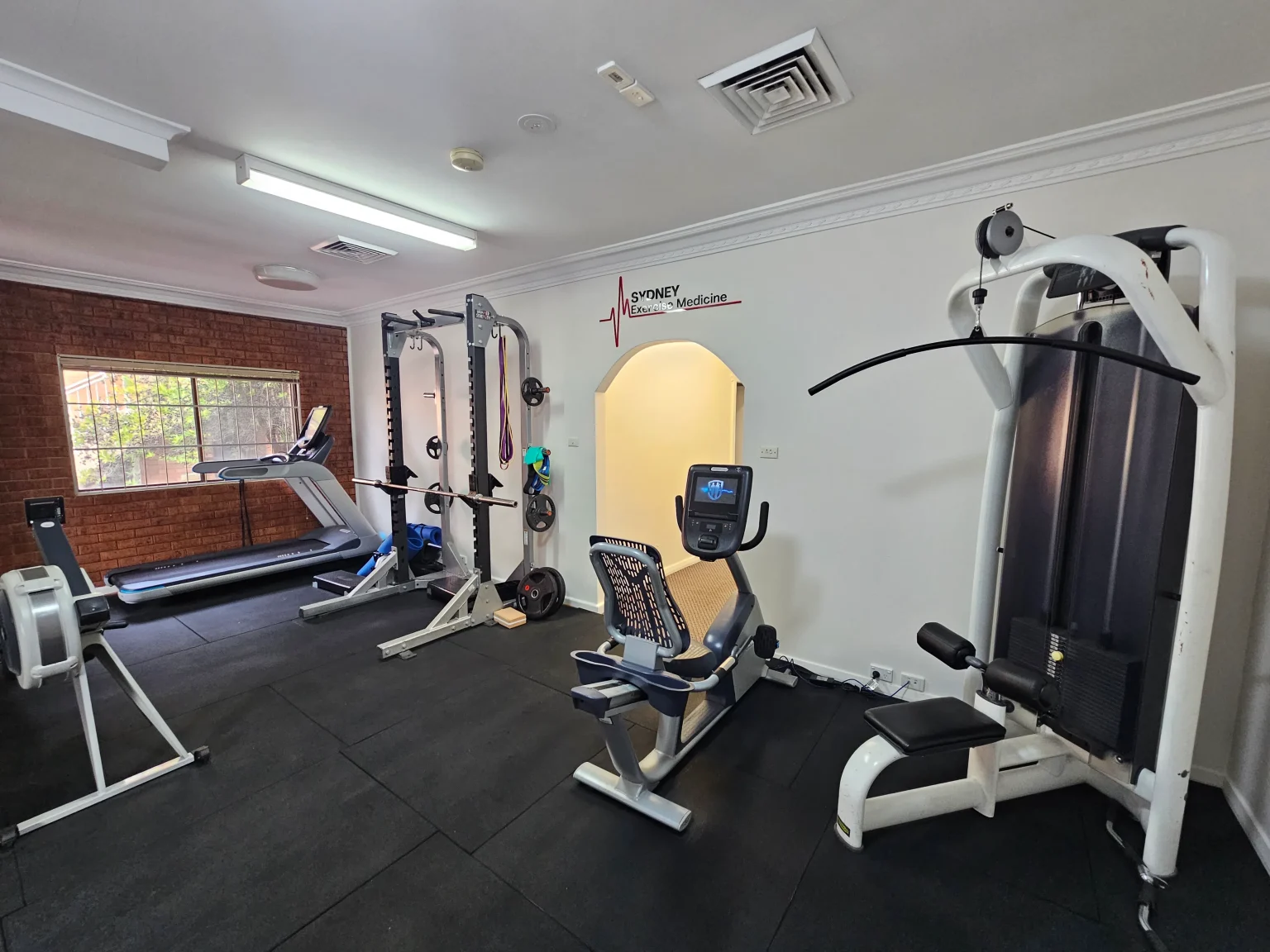
Although our clinic is based in Westmead, we regularly support clients from Pendle Hill and surrounding suburbs. Our location at 113 Hawkesbury Rd, Westmead NSW 2145 is only a 9‑minute drive, with convenient access and professional, one‑on‑one care.
How to Get Here From Pendle Hill
Getting to our clinic from Pendle Hill is quick and straightforward. The drive is approximately 9 minutes (3.8 km) under normal traffic conditions.
Driving directions from Pendle Hill:
Head toward Stapleton St from Pendle Hill.
Continue onto Dunmore St, following it through to Lytton St in Wentworthville (approximately 5 minutes / 2.1 km).
Follow Jordan St toward Bridge Rd (around 1 minute / 650 m).
Turn right onto Bridge Rd.
Continue and take Church Ave toward Hawkesbury Rd (about 1 minute / 650 m).
Turn left onto Hawkesbury Rd — the clinic at 113 Hawkesbury Rd, Westmead will be on your right.
This close proximity makes accessing an experienced exercise physiologist near Pendle Hill simple and stress‑free.
All programs are delivered by Accredited Exercise Physiologists (AEPs), registered with Exercise & Sports Science Australia (ESSA) and experienced in chronic pain management.
Frequently Asked Questions
Can exercise really help chronic pain?
Yes. Research shows that tailored exercise can significantly reduce chronic pain by improving strength, mobility, and nervous system regulation, often with longer‑lasting results than passive treatments.
Will exercise make my pain worse?
When properly prescribed, exercise is designed to stay within safe limits. Programs are progressed gradually to minimise flare‑ups and build tolerance.
Do I need a referral?
In many cases, no referral is required. However, some patients may be eligible for Medicare or private health rebates with a GP referral.
Is exercise physiology suitable if I haven’t exercised in years?
Absolutely. Programs start at your current level and are designed specifically for beginners or people returning after long periods of inactivity.
Take Control of Chronic Pain With an Exercise Physiologist Near You Near Pendle Hill
If you’ve been searching for an exercise physiologist near me, support is closer than you think. Our Westmead clinic is only minutes from Pendle Hill and provides personalised, evidence‑based care for people living with chronic pain.
Working with an experienced exercise physiologist near Pendle Hill allows you to manage pain naturally, rebuild confidence, and move with less fear, without relying on long‑term medication.
Book a consultation at our Westmead clinic today and start your personalised chronic pain program with an exercise physiologist near you.