
A Parent’s Guide to Paediatric Exercise Physiology
When your child struggles to keep up physically or doesn’t quite hit the same milestones as other kids their age, it can be worrying. Maybe they get tired quickly, avoid active play, or find it hard to follow movements in sport. Sometimes, it’s more complex. You might be supporting a child with autism, down syndrome, or another condition that makes movement and coordination more of a challenge.
Paediatric Exercise Physiology
Paediatric exercise physiology is not just for sporty kids. It’s for every child who could use a bit of help moving better, feeling stronger, and gaining more confidence in their body.
What is Paediatric Exercise Physiology?
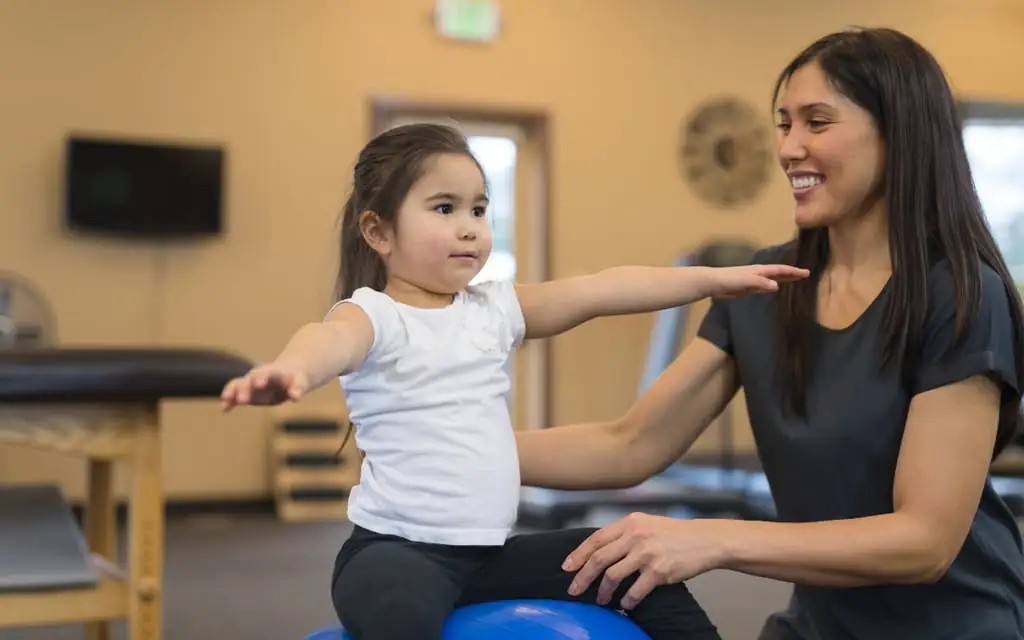
Paediatric exercise physiology is all about helping children improve their physical function, strength, and fitness through carefully planned, developmentally appropriate exercise. Unlike general fitness or adult-style workouts, this approach is tailored to kids. It takes into account where they are developmentally, what conditions they might be managing, and how to keep things fun and engaging.
So what makes it different from physiotherapy or occupational therapy? A paediatric exercise physiologist focuses more on long-term physical development, movement education, and building healthy habits. They work on improving things like motor coordination, strength, endurance, balance, and flexibility. It’s often used alongside other therapies to support overall wellbeing.In Australia, many of these professionals are Accredited Exercise Physiologists (AEPs) and have experience working with a wide range of children, from toddlers to teens.
When Should You See an Exercise Physiologist for Kids?
Many parents wonder if their child really needs specialised help. Here are some signs that exercise physiology services could make a difference:
Your child gets tired easily during normal activities. They struggle with coordination or balance. Maybe they avoid sports or playground activities altogether. Some kids feel anxious about trying new physical activities. Others have trouble following instructions during PE class.
For many families, the need is more specific. Children with conditions like autism, down syndrome, cerebral palsy, or ADHD often benefit greatly from structured movement support. Children with autism often face extra challenges. Loud gyms can feel overwhelming.
Structured Movement Support
New routines might cause stress. Social situations during group activities can be difficult. An exercise physiologist for autism knows how to create calm, structured environments that work for these kids.Kids with down syndrome need different approaches too. They might have heart conditions that affect exercise. Low muscle tone can make certain activities harder. Down syndrome exercise programs address these specific needs while keeping kids safe and engaged.
The Benefits of Physical Fitness
Regular exercise does amazing things for all children. It strengthens their hearts and muscles. It helps them sleep better. But for kids with special needs, the benefits reach even further.
Exercise also builds confidence. When children master new skills, they feel proud. This confidence often spills over into other areas of life. School performance might improve. Social interactions become easier.
Paediatric Exercise Physiology
Movement helps children with autism regulate their emotions. It can reduce anxiety and improve focus. Many parents notice their kids handle daily routines better after starting exercise programs.
NDIS and Exercise Physiology
NDIS exercise physiology support is available for many families. If your child has an NDIS plan and their goals include improving movement, coordination, or physical health, you may be able to include these services under Capacity Building (Improved Daily Living).
Your exercise physiologist can also provide reports and assessments that help support future plan reviews. It’s worth speaking with your support coordinator or plan manager to make sure it’s included.
Mobile services may also be covered, which means more flexibility for your family.
Finding the Right Professional
When looking for an exercise physiologist in Sydney, ask about their qualifications. Our accredited professionals hold university-level training in Exercise Physiology and are recognised by ESSA (Exercise & Sports Science Australia). We have hands-on experience working with children and young people across a wide range of conditions, including developmental delays, autism spectrum disorder (ASD), and physical disabilities.If you’re an NDIS participant, we can help. We work with both plan-managed and self-managed clients and can guide you through the process. We believe in a friendly, flexible, and family-centred approach, and we’re always happy to chat about your goals and how we can support your child’s wellbeing.
Paediatric Exercise Physiology
Not all exercise professionals are trained to work with children. It’s important to choose someone who has specialised experience in paediatric care and a solid understanding of child development. At Sydney Exercise Medicine, our team is experienced in supporting children of all ages and abilities, tailoring exercise programs to suit their specific physical, emotional, and developmental needs.
What Happens During a Paediatric Exercise Physiology Session?
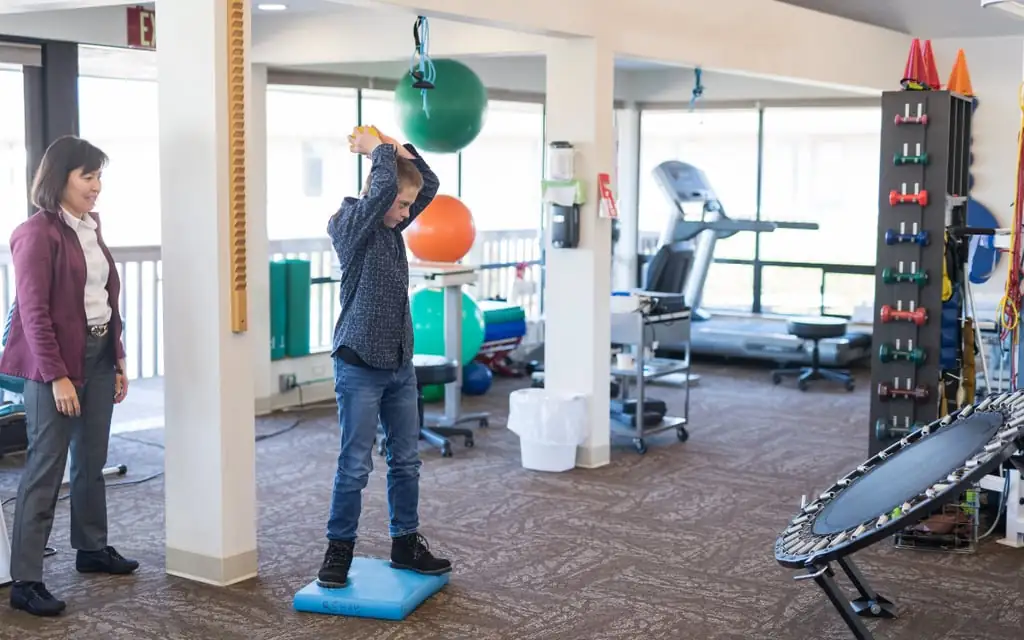
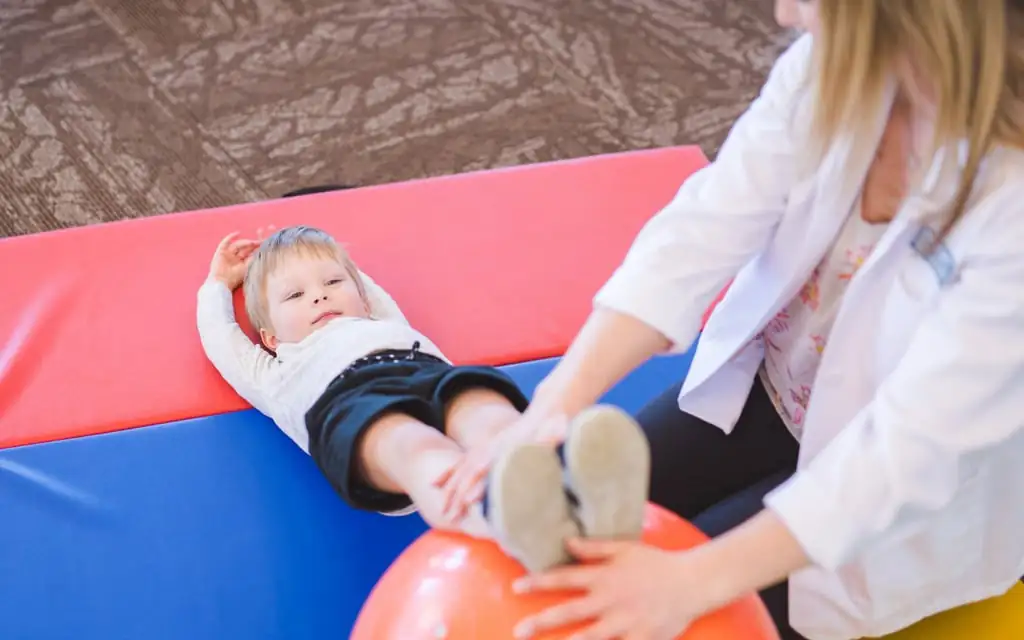
Every child’s program is different. That’s what makes exercise physiology services so special. Your provider will start with an assessment. This might include a look at your child’s posture, balance, coordination, and strength. They’ll watch how your child moves. They’ll ask about their interests and challenges. The exercise physiologist will also chat with you about your goals. Whether it’s building fitness, improving coordination, or simply helping your child feel more confident at the playground.
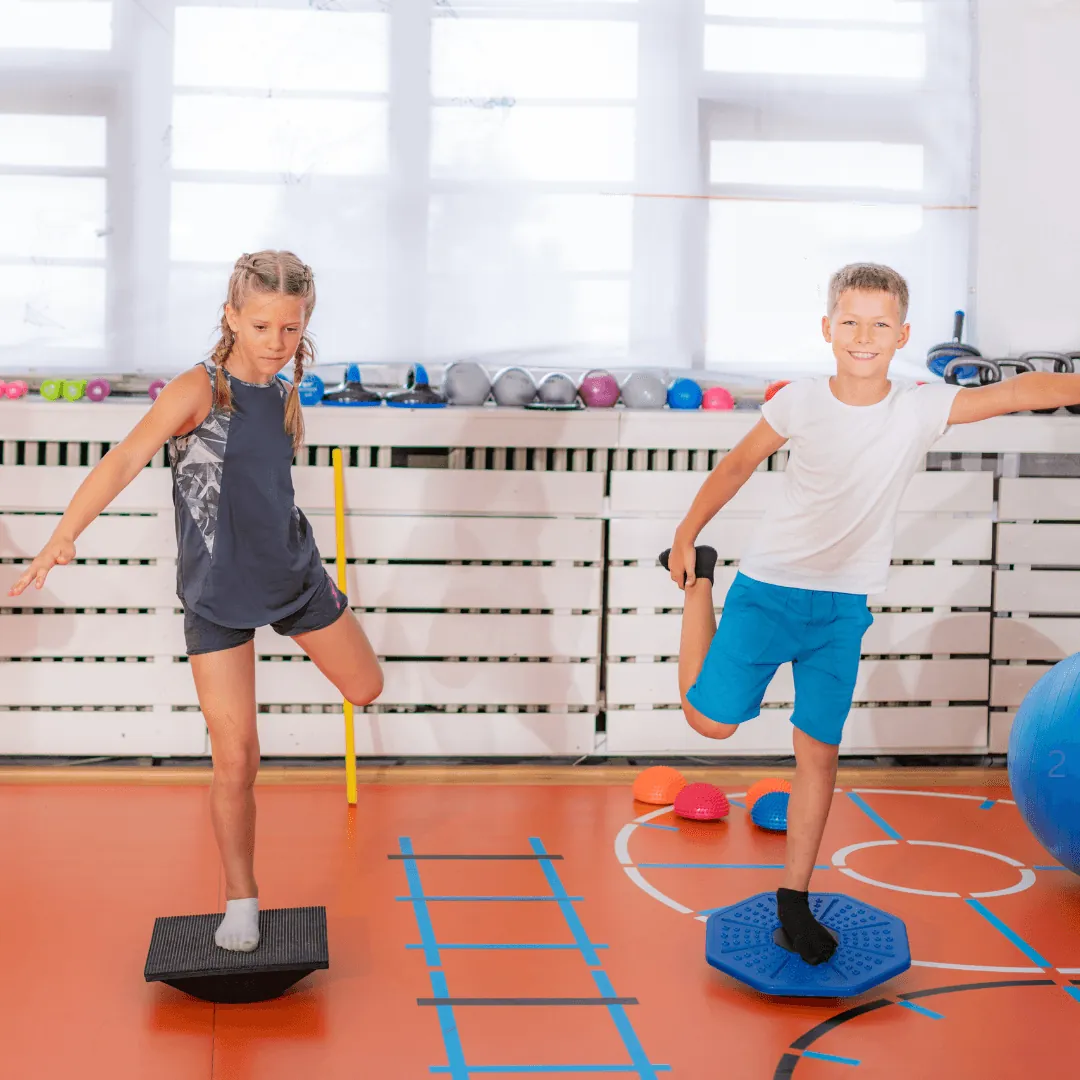
Once the assessment is done, the fun begins. Activities are tailored to each child and often look like games or play-based challenges. Some kids love obstacle courses. Others prefer dance or martial arts. The best programs match your child’s interests. A child who loves dinosaurs might do “T-Rex stomps” to build leg strength. A kid obsessed with trains might “chug” around the room for cardio.
Every session is designed to build skill, strength, and stamina, all while keeping your child engaged. Sessions usually last 30-60 minutes. Younger children often need shorter sessions. The pace depends on your child’s attention span and energy levels. There’s no rush, progress happens at each child’s own speed.
Over time, progress is tracked and programs are adjusted. It’s a gradual process, but small wins add up fast.