

Telehealth Exercise Physiology vs. Traditional Rehab: What’s Best for Athletic Recovery?
Post-marathon injuries, such as persistent knee pain, can significantly disrupt training and performance. While traditional in-person rehabilitation remains a standard approach, telehealth exercise physiology has gained traction as a convenient and effective alternative.
This article examines the advantages and limitations of both methods, considering factors such as accessibility, personalisation, and clinical outcomes. By assessing these variables, athletes can make an evidence-based decision to optimise recovery and return to peak performance.

Key Benefits of Telehealth Exercise Physiology for Athletes
Telehealth exercise physiology isn’t just fancy FaceTime with your physio. It’s way more sophisticated than that. Think of it as having a qualified exercise physiologist for athletes in your pocket. You get proper assessments, customised programs, real-time coaching, and ongoing support, all through your screen. The tech has come so far that your exercise physiologist in Sydney can guide you through complex movements from hundreds of kilometres away.
1. That Actually Works
Remember when getting quality care meant living in the right postcode? Those days are fading fast. Now, whether you’re training in Broken Hill or Byron Bay, you can access top-tier Sydney exercise physiology expertise without packing your bags.
This is huge for athletes in regional areas who previously had limited options. You’re no longer stuck with whoever happens to be local. You can work with specialists who actually understand your sport.
2. Flexibility That Fits Your Life
Athletes juggle a lot: training, work, school, competitions. Traditional appointments can feel like another hurdle. Telehealth Exercise Physiology slots right into your life. No travel time, no waiting rooms. You can literally have your session before practice, during a lunch break, or even after the kids are asleep. This flexibility means you’re more likely to stick with your program, leading to better results.
3. Personalised Exercise Programs, Wherever You Are
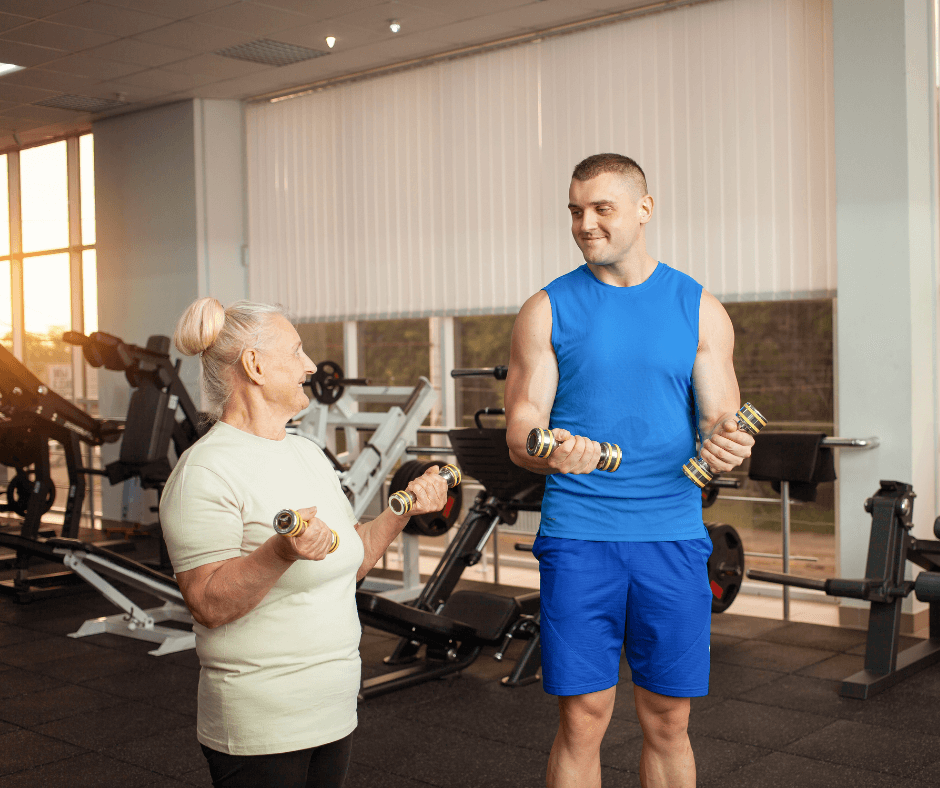
Your exercise physiologist can create personalised exercise programs that use the equipment you actually have access to. They can design programs around what you actually have access to: your home gym, local park, or hotel room.
This isn’t generic advice; it’s tailored specifically to your athletic demands and your environment. It empowers you to take charge of your recovery, with continuous expert guidance.
4. Continuity of Care
Consistency is key in athletic recovery and development. Online exercise physiology makes it simple to maintain regular follow-up sessions. This is crucial for long-term progress, injury prevention, and building on gains. It helps you keep that essential connection with your exercise physiologist for athletes, from the initial stages of pre-hab all the way through post-injury training.
Your exercise physiologist for athletes can check in via app messages, review your exercise videos, and adjust your program in real-time. It’s like having a coach who’s always available when you need them.
5. Making Care More Affordable
While every service has a cost, Telehealth Exercise Physiology can sometimes be more budget-friendly overall. You save on travel, parking, and perhaps even time off work. Many exercise physiology services offer Medicare rebates or are covered by private health insurance in Australia. It’s always worth checking with your provider to understand your coverage.
6. Inclusion for NDIS Participants: Support for All Athletes
For athletes who are NDIS participants, telehealth opens up incredible opportunities. NDIS personal trainers who are also qualified exercise physiologists can provide essential support remotely. This means enhanced accessibility for therapy and fitness programs, tailored to individual needs, without the stress of frequent travel. If you’re an NDIS participant looking for support, check out our guide on NDIS Personal Trainers vs. Exercise Physiologists to see what’s best for you.
Advantages of Traditional Rehab
Don’t write off in-person treatment just yet. Traditional rehab has been helping athletes recover for decades, and there’s good reason it’s still the default choice for many. It offers unique benefits that are often invaluable for athletes.
1. Hands-on Assessment and Manual Therapy
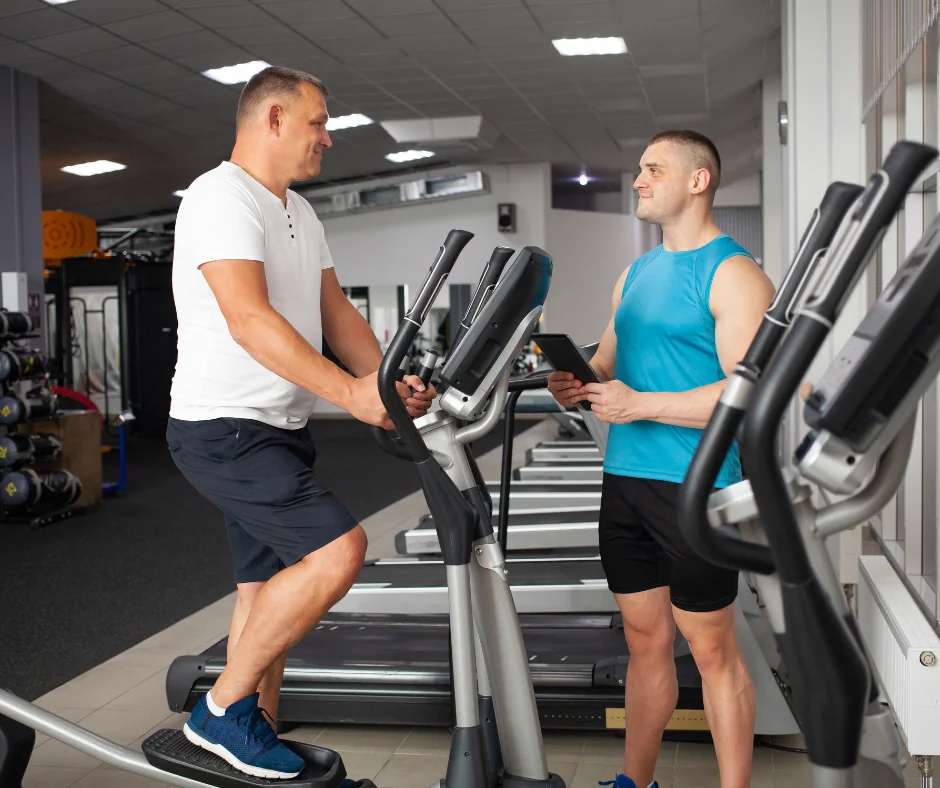
Your exercise physiologist can physically palpate, feel, and assess your injured areas. They can perform specific hands-on tests to pinpoint issues. Plus, manual therapies like massage, joint mobilisations, and stretching are simply not possible remotely. These techniques can provide immediate relief and address underlying biomechanical problems.
2. Real-Time, In-Person Feedback
When you’re in the clinic, your exercise physiologist can watch your every move up close. They can give you real-time, nuanced feedback on your technique, adjusting your posture or movement pattern instantly. For complex athletic movements or heavy lifting, having someone physically spot you or guide you is a huge advantage. They can catch those subtle compensatory movements you might not even realize you’re doing.
3. Access to Specialised Equipment
Clinic settings often house equipment that you just can’t replicate at home. Think advanced resistance machines, force plates for detailed movement analysis, specialised treadmills, or even hydrotherapy pools. This equipment allows for precise loading and targeted training crucial for high-performance athletes. It helps in progressing your strength and conditioning in ways that might be limited in a home setting.
4. Building Rapport and Trust
For many, there’s a comfort and trust that comes from face-to-face interaction. The direct personal connection with your exercise physiologist can be a powerful motivator. It creates a bond that some athletes find essential for their recovery journey, fostering a deeper sense of accountability and understanding.

The Future of Athletic Recovery
The line between telehealth exercise physiology and traditional rehab is blurring. Smart clinics are offering hybrid models. Technology continues improving. Insurance coverage is expanding. What’s clear is that athletes now have more choice than ever. You’re no longer limited by geography, clinic hours, or one-size-fits-all approaches.
The future likely involves even more personalised care, with AI-assisted movement analysis, better home monitoring tools, and seamless integration between in-person and remote care.
Here’s a secret: you don’t always have to pick just one! For many athletes, a hybrid approach offers the perfect balance.
Imagine starting with a few in-person sessions. This allows your “exercise physiologist in Sydney” (or wherever you are) to get a really hands-on feel for your injury, conduct thorough physical assessments, and use any specialised equipment needed.
Once you’ve got a good handle on your program and initial progress, you can transition to online exercise physiology for ongoing management. This way, you combine the precision of in-person care with the amazing convenience and flexibility of telehealth. It’s perfect for maintaining those “personalised exercise programs” and getting consistent follow-up without the constant commute. This blended model ensures you get the specific manual therapy when needed, alongside flexible, ongoing support tailored to your athletic life.
Empowering Your Recovery Journey
The choice between Telehealth Exercise Physiology and traditional rehab isn’t about one being inherently “better” than the other across the board. Instead, it’s about what’s best for you at this very moment in your athletic journey.
Both offer powerful tools to help you recover from injury, prevent future setbacks, and push your performance to new heights. Traditional rehab provides invaluable hands-on care and clinic equipment. Telehealth brings incredible accessibility, flexibility, and consistency to your doorstep.
The most important step? Connecting with a qualified exercise physiologist for athletes. They are the experts who can assess your unique situation, understand your goals, and help you navigate these options. Whether you start with an in-person session, jump straight into an online consultation, or explore a hybrid model, taking that proactive step is key.
Ready to take the next step in your recovery journey? Consider your specific needs, try different approaches if necessary, and don’t be afraid to switch if something isn’t working.Want to learn more about the benefits of working with an exercise physiologist in Sydney? Understanding the full scope of what these professionals offer can help you make the best choice for your athletic recovery and performance goals.
Telehealth vs. Traditional Rehab: A Comparative Analysis for Athletic Recovery
How do these two approaches stack up when it comes to getting athletes back in the game? Let’s break it down, looking at key areas that matter for your recovery and performance.
Feature | Telehealth Exercise Physiology | Traditional Rehabilitation |
Assessment | Primarily observational. Relies on detailed verbal reports, visual assessment via video (e.g., watching you squat, run), and functional movement screens you perform. | Hands-on physical palpation, specific manual tests, objective measurements (e.g., joint range of motion with goniometer), and full access to clinic diagnostic tools. |
Treatment Delivery | Verbal cues, visual demonstrations, exercise programs delivered through apps/platforms, tailored homework, and a strong focus on self-management strategies. | Direct manual therapy (massage, mobilisation), guided exercise with immediate physical adjustments, use of clinic equipment, and hands-on spotting during exercises. |
Suitability for Injury Types/Phases | Acute/Early Rehab: Great for initial advice, education on pain management, simple mobility exercises, and early strengthening when hands-on isn’t critical. Mid/Late-Stage Rehab & Performance: Excellent for progressive loading with home equipment, sports-specific drills, long-term maintenance, and ongoing “personalised exercise programs” aimed at performance. | Acute/Early Rehab: Often preferred for immediate diagnosis, hands-on pain relief, swelling management, and establishing early stability, especially for more severe injuries. Mid/Late-Stage Rehab & Performance: Strong for high-load strength training, complex movement patterns, advanced equipment use, and precise return-to-sport testing and drills. |
Motivation & Adherence | Relies on self-discipline, regular virtual check-ins, app reminders, and the convenience of home-based sessions. Empowers the athlete to take ownership. | External accountability from regular in-person appointments and direct supervision can be a strong motivator for some athletes. |
Cost & Insurance | Often competitive due to lower overheads for the practitioner and significant savings on your travel costs (fuel, parking). Many “exercise physiology services” are covered by Medicare rebates and private health insurance. | Clinic fees per session, plus additional costs for travel (fuel, parking, public transport). Coverage also depends on Medicare and private health insurance. |
Challenges/Limitations | No hands-on treatment; relies on internet connection and tech literacy; limited access to specialised clinic equipment; can be harder to correct very subtle, complex movement faults without physical touch. | Time-consuming due to travel; limited by clinic operating hours and geographical availability; may not always be accessible for those with mobility issues or in remote areas. |