
Exercise Physiologist Westmead: Your Complete Guide to Specialised Movement Therapy
Are you dealing with ongoing pain? Struggling to manage a chronic health condition? Or maybe you’re looking to recover from surgery or an injury? An exercise physiologist Westmead might be exactly what you need.
Living in Western Sydney means you’ve got access to some fantastic allied health services. But a lot of people don’t fully understand what exercise physiologists do or how they can help.
What Is an Exercise Physiologist?
Exercise physiologists are movement experts. They’re university-trained allied health professionals who use exercise as medicine.
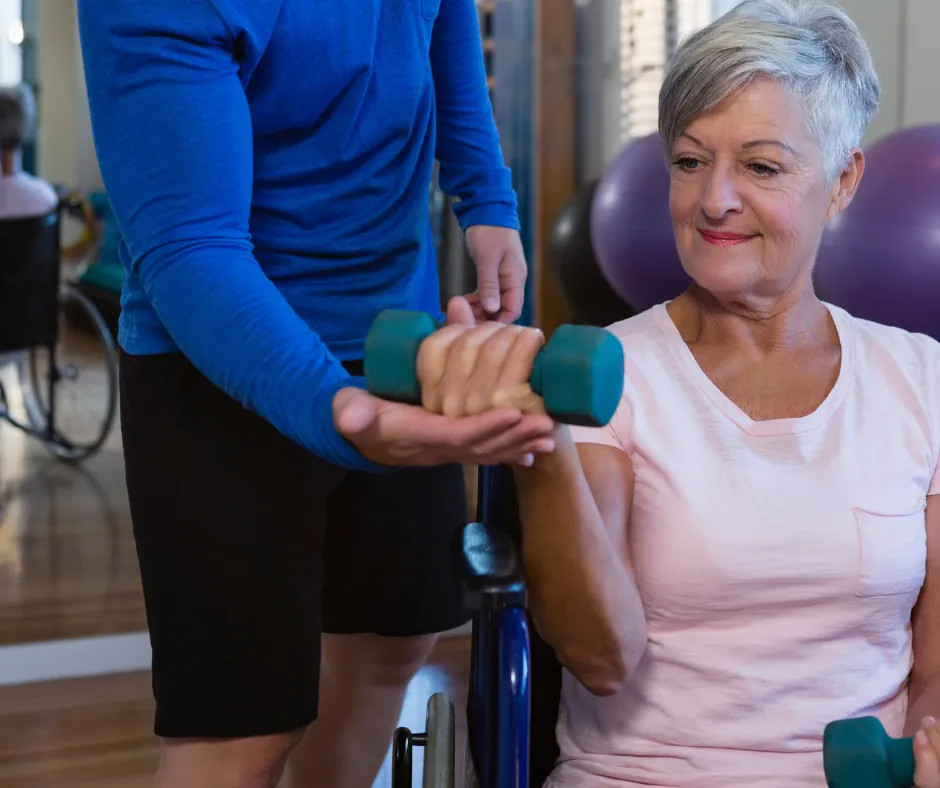
Unlike personal trainers, exercise physiologists have at least four years of university education. They specialise in designing exercise programs for people with medical conditions, injuries, or complex health needs.
Exercise physiologists specialise in long-term condition management through carefully prescribed movement. If you sprain your ankle, an exercise physiologist would design a program to rebuild strength, prevent future injuries, and improve your overall function.
Exercise Physiology Services in Westmead
Westmead’s diverse community has unique health needs. Local exercise physiology services from Sydney Exercise Medicine are designed to meet these needs with personalised care.
What Services Can You Expect?
When you visit an exercise physiologist Westmead like Sydney Exercise Medicine, we will offer:
Comprehensive Assessments
Your first visit usually involves a thorough assessment. This isn’t just about fitness; it’s about understanding how your body works (or doesn’t work).
We will look at your movement patterns, strength, flexibility, balance, coordination, exercise tolerance, pain triggers, and daily activities and challenges.
Based on this assessment, we will create a personalised plan for your specific needs.
Specialised Exercise Programs
Exercise physiology can be customised. These aren’t cookie-cutter workouts. Let’s say for instance, if you are a Westmead resident with type 2 diabetes and knee arthritis. At Sydney Exercise Medicine, our exercise physiologist will create a program that will:
Build your strength without stressing your knees
Improve your insulin sensitivity
Helped you lose weight safely
Reduce your medication needs (with your doctor’s supervision)
You can start with simple seated exercises and gradually progress to walking 30 minutes daily. This will help dramatically improve your blood sugar levels and decrease your knee pain.
Ongoing Support and Education
Treatment doesn’t end when you leave the clinic. Sydney Exercise Medicine offers:
Home exercise programs
Regular progress checks
Program modifications as you improve
Education about your condition
Self-management strategies
Health Conditions Treated by Westmead Exercise Physiologists
Chronic Disease Management
Type 2 Diabetes
Westmead has significantly higher diabetes rates compared to other parts of Sydney. Recent studies indicate that residents in Westmead are about twice as likely to have diabetes compared to those in Sydney’s eastern and northern suburbs. Additionally, approximately 22% of people attending Westmead Hospital have diabetes, and 30% of adults attending hospital emergency departments and GPs in Western Sydney have pre-diabetes.
Exercise physiologists are integral in managing type 2 diabetes. At Sydney Exercise Medicine, our exercise physiologist Westmead creates exercise programs that:
Help cells respond better to insulin
Lower blood sugar levels
Reduce the risk of complications
Support weight management
Cardiovascular Conditions
According to the Australian Bureau of Statistics (ABS), coronary heart disease (CHD) remains one of the leading causes of death in Australia. In recent years, it has consistently topped mortality statistics, especially among older Australians.
Accredited Exercise Physiologists (AEPs) are recognised in Australia for their role in chronic disease management, including cardiovascular disease. Evidence-based research supports that structured exercise programs improve health outcomes and quality of life in people with heart conditions.
At Sydney Exercise Medicine, our exercise physiologist Westmead creates heart-safe programs that:
Strengthen the heart muscle
Improve circulation
Lower blood pressure
Reduce cholesterol levels
Decrease the workload on your heart
All while carefully monitoring your safety and symptoms.
Respiratory Conditions
Exercise is a recognised component of pulmonary rehabilitation and is widely recommended for individuals with asthma, Chronic Obstructive Pulmonary Disease (COPD), and other chronic respiratory conditions.
According to the Global Initiative for Chronic Obstructive Lung Disease (GOLD) and American Thoracic Society, exercise can reduce symptoms, improve quality of life, and increase physical capacity.
Personalised exercise programs from our exercise physiologist Westmead focus on:
Improving breathing efficiency
Building respiratory muscle strength
Increasing exercise tolerance
Reducing breathlessness in daily activities
Musculoskeletal and Injury Rehabilitation
Local sporting clubs in Westmead regularly refer injured players to exercise physiologists.
Whether you’re a weekend warrior or a competitive athlete, at Sydney Exercise Medicine, our mobile exercise physiologist can help you:
Recover from specific injuries
Rebuild strength and flexibility
Return to sport safely
Prevent future injuries
Post-Surgical Rehabilitation
Surgery is just the beginning of your recovery journey. What you do afterward determines your long-term outcome.
After knee replacements, spinal surgery, or shoulder repairs, exercise physiologist Westmead will create progressive programs to restore range of motion, rebuild strength gradually, improve functional movements, and get you back to normal activities.
Chronic Pain Management
Living with ongoing pain can be incredibly frustrating. Research shows that graded and appropriate exercise can reduce central sensitisation and improve pain thresholds.
At Sydney Exercise Medicine, our exercise physiologist Westmead uses evidence-based approaches to desensitise painful areas, improve movement patterns, build pain-free movement confidence, and reduce reliance on pain medication.
Special Population Programs
Exercise for Elderly
Staying active is crucial for healthy ageing. But as we get older, exercise needs to change.
Westmead’s ageing population benefits from specialised programs that focus on fall prevention strategies, maintaining independence, improving balance and stability, maintaining bone density, and supporting cognitive health.
Pre and Post-Natal Exercise
Pregnancy and childbirth change your body dramatically. Western Sydney has high birth rates, creating demand for specialised maternal exercise services.
At Sydney Exercise Medicine, our local exercise physiologist Westmead offers:
Safe pregnancy exercise programs
Pelvic floor rehabilitation
Diastasis recti recovery
Return to exercise planning
Post-natal strength rebuilding
Weight Management
Westmead has been identified as having one of the highest obesity rates in Sydney. A 2017 report indicated that 31% of adults in Westmead were classified as obese, surpassing the 27% average in Western Sydney and significantly higher than the 15% in affluent suburbs like Mosman. Childhood obesity rates in Westmead were reported at 10%, more than double that of some northern suburbs.
But it’s not about rapid weight loss or extreme diets. Exercise physiologist Westmead takes a sustainable approach:
Finding enjoyable movement options
Creating progressive programs
Focusing on health markers beyond weight
Addressing metabolic factors
Building long-term habits
If you’re looking for evidence-based strategies to manage weight in a healthy and sustainable way, read our guide on “How to Lose Weight Safely and Effectively with an Exercise Physiologist”.
What to Expect at Your First Exercise Physiology Appointment in Westmead
At Sydney Exercise Medicine, we aim to make your experience clear, supportive, and tailored to your health goals. Here’s what you can expect from your first visit.
Your first appointment will typically run for 45 to 60 minutes. This is a one-on-one session designed to give your exercise physiologist a clear understanding of your health, lifestyle, and goals.
1. Understanding Your Health and Lifestyle
We begin with a detailed conversation about:
Your medical history and any chronic conditions (e.g., diabetes, arthritis, injuries)
Current symptoms, limitations, or pain
Any previous treatments or therapies
Medications you’re taking
Your daily routine and physical activity level
Your personal goals, whether that’s improving mobility, building strength, or managing a health condition
We take the time to listen to your goals and concerns shape everything we do.
2. Physical Assessment
Next, we conduct a movement and function assessment. This may include:
Posture and movement screening
Strength and flexibility testing
Balance and coordination checks
Functional movement tasks tailored to your needs
These assessments will help us understand your current capabilities so we can track your progress over time.
3. Personalised Program Planning
Based on your assessment and goals, your exercise physiologist Westmead will work with you to create a tailored exercise plan that:
Is realistic, manageable, and built around your lifestyle
Targets specific health goals (e.g., pain reduction, improved function, better balance)
May include home exercises or gym-based sessions
Includes education and ongoing support to help you stay on track
Ready to get started? Book your first session with our exercise physiologist Westmead team today.
Payment Options for Exercise Physiology in Westmead
Cost shouldn’t be a barrier to quality care. Here’s how you can access exercise physiology services in Westmead:
Medicare Coverage
Medicare allows up to 5 allied health services per calendar year under the Chronic Disease Management Plan (formerly EPC).
A GP referral and a chronic medical condition are required. Medicare rebates are around $58.30 per session (indexed annually).
NDIS Funding
NDIS Exercise physiology is funded under:
Improved Health and Wellbeing (Capacity Building)
Improved Daily Living
Sometimes, under Core Supports, if justified in the plan.
NDIS participants must ensure the provider is NDIS-registered, especially if agency-managed. Services must align with participants’ goals and reasonable & necessary criteria. For a detailed overview of how Exercise Physiology can benefit people on the NDIS, check out our blog: How Exercise Physiology Supports NDIS Participants: A Complete Guide
Private Health Insurance
Most extras policies cover exercise physiology, but the rebate amount depends on the insurer, policy level, and annual limits.
HICAPS is commonly used for on-the-spot claims, and most clinics in metropolitan areas like Westmead are set up with it.
Department of Veterans’ Affairs
DVA Gold Card holders are entitled to exercise physiology services for any condition with a valid referral (D904 form or similar). White Cardholders may access it only under accepted conditions (e.g., PTSD, specific injuries).
No out-of-pocket cost for eligible veterans.
WorkCover and Insurance Claims
WorkCover NSW (now Icare) can cover exercise physiology for work-related injuries if:
Referred by a treating doctor
Part of an approved recovery plan
CTP insurance (Compulsory Third Party) may cover post-MVA rehab, including exercise physiology. Pre-approval is usually required.
Taking Charge of Your Movement Health
Living in Westmead gives you access to excellent exercise physiology services that can transform your health and quality of life.
Whether you’re managing diabetes, recovering from surgery, dealing with chronic pain, or simply wanting to move better as you age, a qualified exercise physiologist Westmead can help you achieve your goals.
Movement truly is medicine when prescribed correctly. With the right guidance, you can discover what your body is capable of, even with health challenges.
Frequently Asked Questions
Is Exercise Safe for My Condition?
Absolutely, when properly prescribed. Exercise physiologists are trained to work with complex conditions and create safe, appropriate programs.
The risks of not exercising almost always outweigh the risks of properly prescribed exercise.
How Long Will Treatment Take?
This varies widely depending on your condition and its severity, your goals, response to treatment, and consistency with home exercises.
Most people see improvements within 4-6 weeks, but long-term conditions may require ongoing management.
Do I Need a Referral?
For general appointments, no. You can book directly with any exercise physiologist Westmead at Sydney Exercise Medicine. However, you’ll need a referral to access Medicare rebates, DVA funding, or some insurance claims.